Archive — 001 · Llobregat River, Barcelona
Llobregat River
Field Session
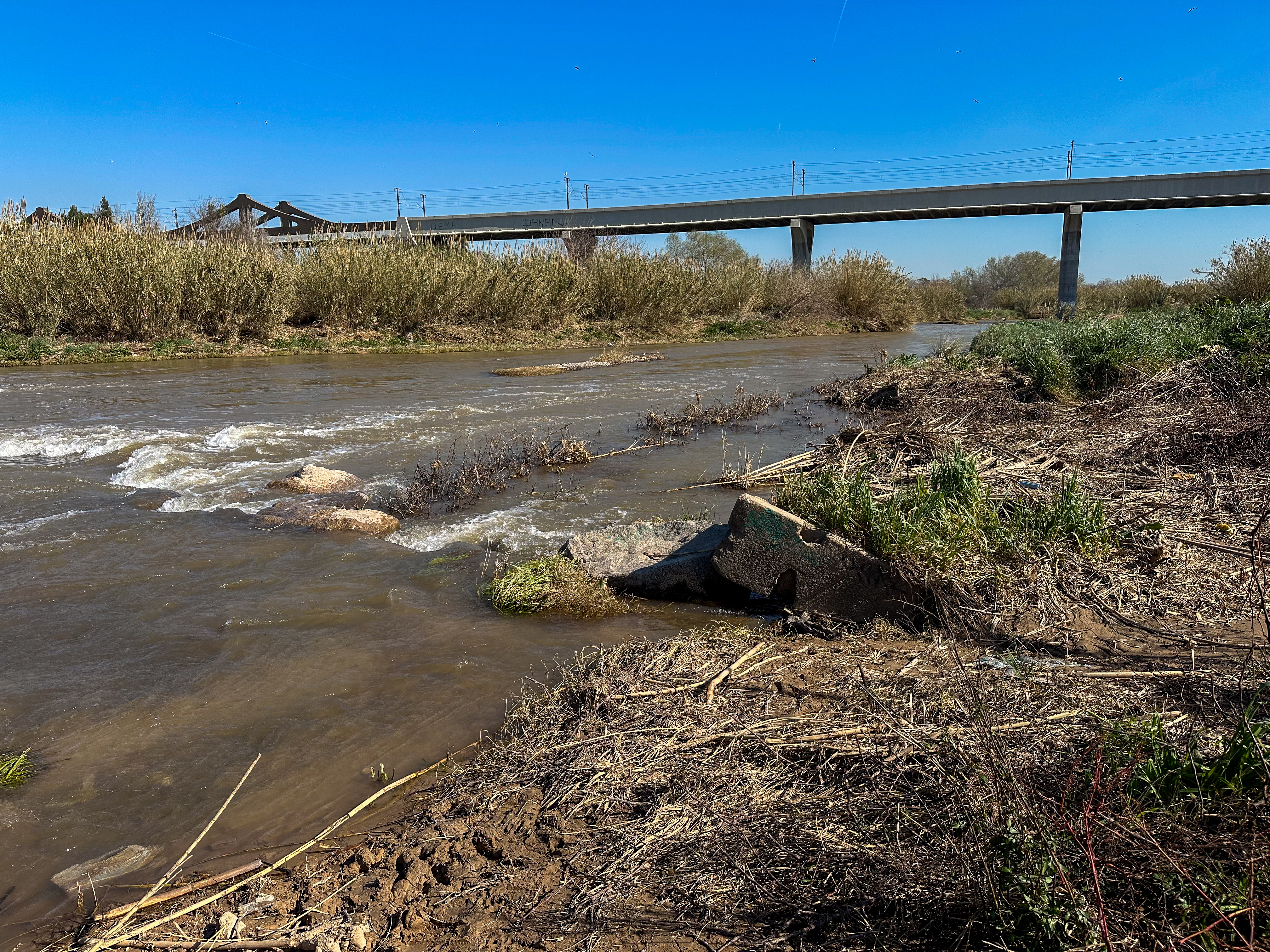
An interactive installation that captures the living, shifting frequencies of the Llobregat Delta's threatened materials. This site was chosen because it represents the ultimate collision between intense human intervention — the Barcelona-El Prat Airport expansion — and raw biogeochemical forces. The proposed third runway extension over the La Ricarda lagoon doesn't just cover ground, it suffocates and violently alters the materiality.
The airport expansion permanently immobilizes these sands under thousands of tons of concrete, disrupting coastal drift and starving nearby beaches of sediment. The massive weight of new runway embankments forces irreversible compaction, violently altering pore-water pressure and altering the subsoil's natural elasticity.
The sand, clay, and water of the Llobregat are active, dynamic entities. This project maps their forced transition from living, flowing matter into strangled, engineered infrastructure.
Technical Parameters
Materials — Click to hear the earth speak
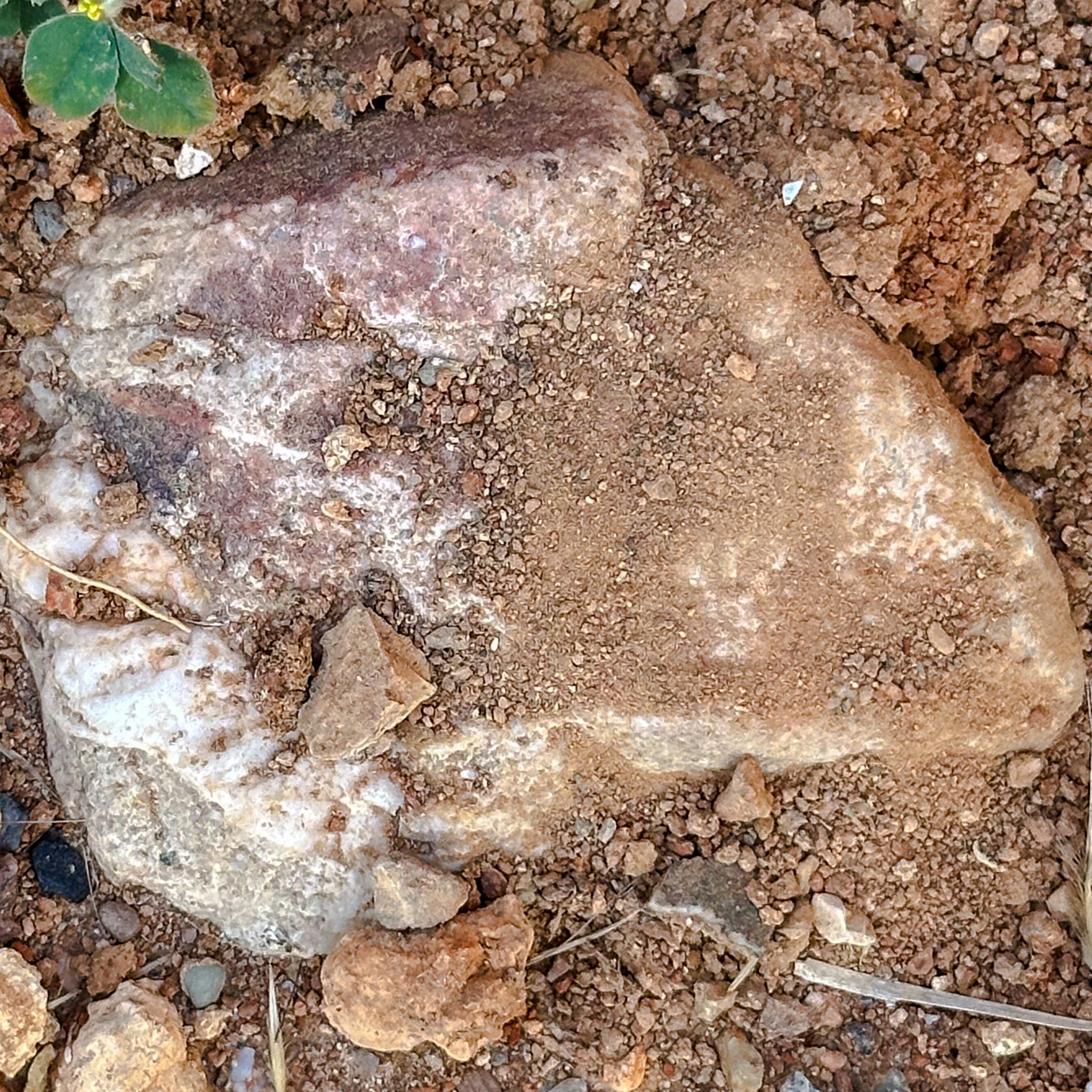
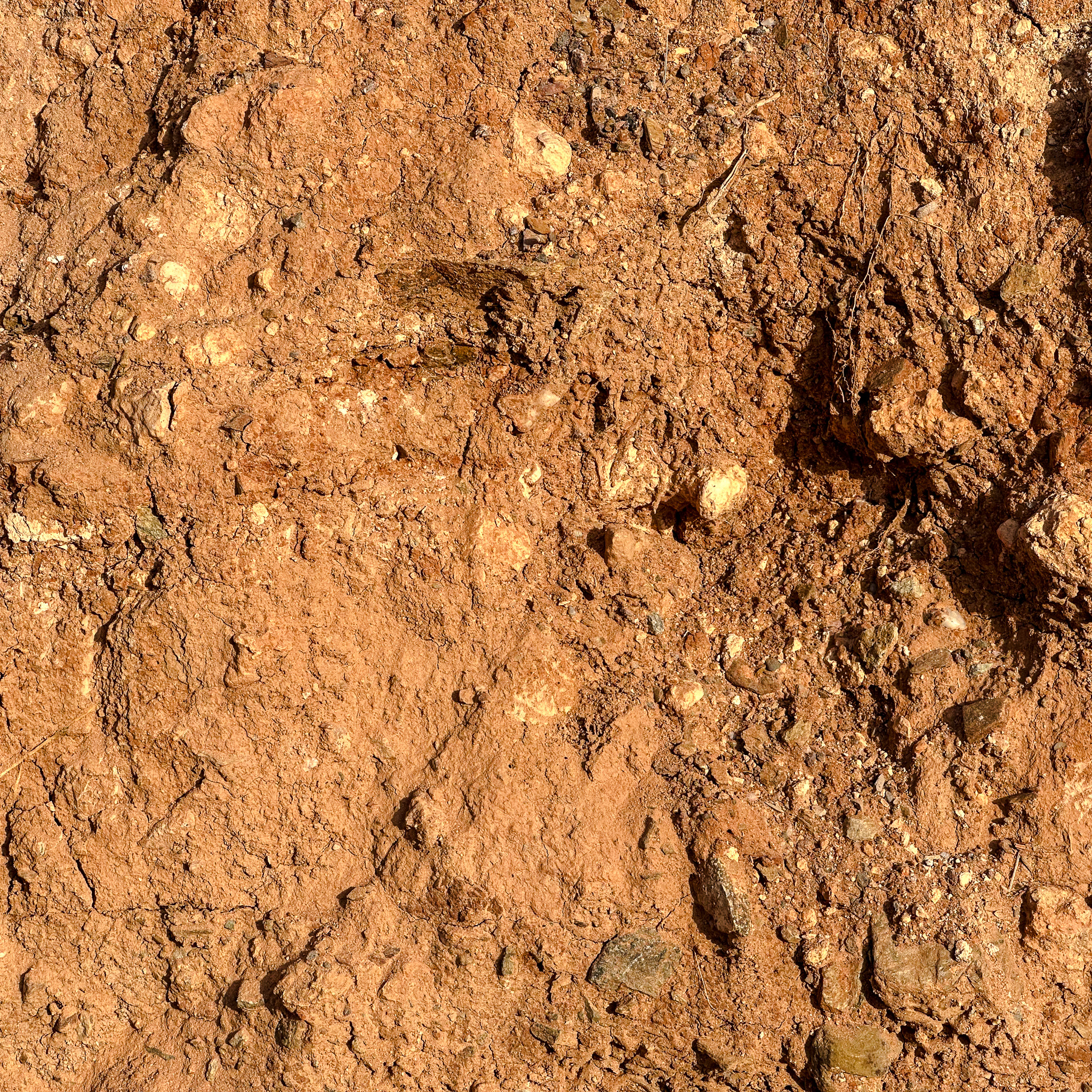
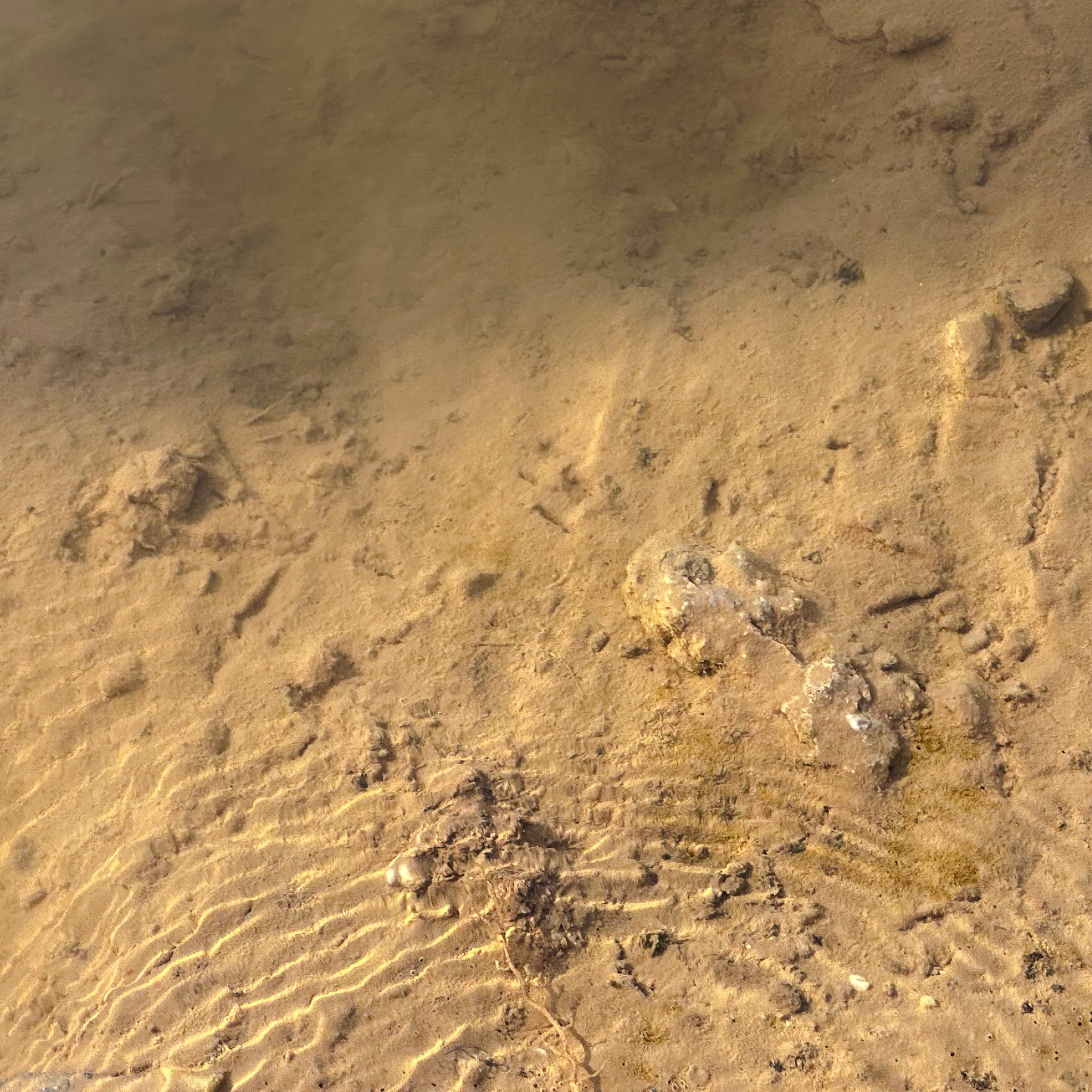
The Sound of the Matter Alone: We initiate the ritual by gathering specific transition materials from the threatened sites. When placed on the capacitive sensors, the materials speak first on their own terms. Before any human intervention, the VCV Rack synthesizes the micro-movements, moisture levels, and density fluctuations of the sand or clay into a pure, raw, autonomous sonic signature.
The Shared Organism: Visitors then physically touch and engage with the materials. As the human body interfaces with the sand or clay, the capacitive readings shift dynamically. Because every human body possesses a distinct electrical capacitance, moisture level, and composition, each individual interaction generates an entirely unique sonic transformation. The sound ceases to be just the material or just the human — it becomes a real-time manifestation of both flowing together.
By utilizing touch and sound, this project opens up an ecological way of knowing our world. It brings together local communities directly affected by these environmental alterations, as well as the wider public, forcing an immediate, visceral understanding: nature is not an immutable resource for human exploitation. We are organisms made of the same flowing, shifting materials as the earth beneath us, and our survival is fundamentally bound to the networks we inhabit.